Product Overview
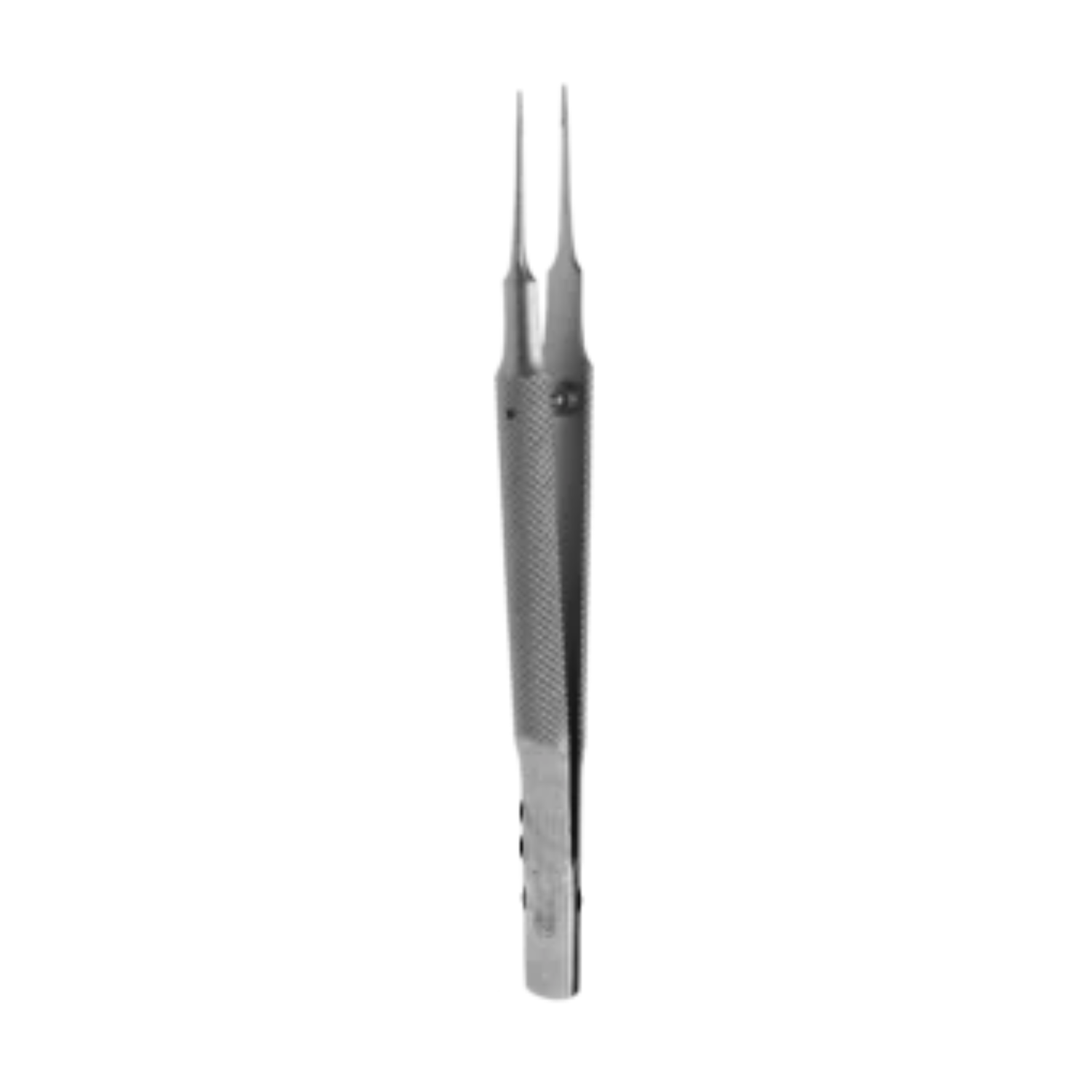
The 551172 Tying Forceps are hyper-precision microsurgical forceps characterized by their unique architectural integration of a tactile round knurled handle, direct straight shafts, and hand-polished 4.5mm tying platforms. Engineered to deliver absolute predictability under high magnification, this instrument handles delicate micro-sutures without causing structural fraying, crimping, or accidental shearing. Forged from high-tensile surgical steel, the micro-machined 4.5mm flat platforms close with flawless parallelism from heel to toe. The premium cylindrical handle allows for effortless fingertip rotation, giving the surgeon unparalleled dynamic control when throwing knots at complex angles.
Key Features
-
Precision 4.5mm Tying Platform: Features micro-planed, perfectly smooth interior platform faces designed to meet flush upon closure. This non-serrated geometry provides a uniform, high-friction compression hold to capture and secure slippery micro-sutures without compromising structural integrity.
-
Tactile Round Knurled Handle Platform: Features a premium, micro-knurled cylindrical handle design. This architecture allows for effortless fingertip rotation and fine-angle adjustments, providing superior multi-directional control, reducing hand fatigue, and neutralizing micro-tremors.
-
Direct Linear Shaft Geometry: The straight configuration provides an intuitive approach vector to the surgical site. This linear geometry maximizes spatial alignment along the primary axis of insertion and delivers unmatched tactile sensitivity to the operator.
-
Micro-Incision Safe Profile: The ultra-slender forward geometry minimizes structural volume within the operative zone, ensuring the instrument can be introduced and manipulated easily without distorting surrounding tissue.
-
Surgical-Grade Resilience: Manufactured from premium, hardened stainless steel. It is built to maintain its hyper-precise platform parallelism, rigid shaft linearity, and calibrated spring tension through thousands of high-heat sterilization cycles.